Spitting Incident in Sports: Rules, Penalties, and Real‑World Examples
Ever watched a game where a player suddenly spits at an opponent or a referee? It’s more than a gross moment – it’s a rule violation that can change a match and a career. Below we break down what counts as a spitting incident, why leagues take it seriously, and what you can expect if it happens.
Why spitting is a big deal on the field
Spitting looks disrespectful, but the real issue is the health and safety risk. Saliva can carry germs, and in close‑quarter sports it can spread illness. That’s why most leagues list spitting under “unsportsmanlike conduct.” A penalty usually means a foul, a suspension, or even a fine. The idea is simple: protect players, keep the game clean, and send a message that disrespect won’t be tolerated.
Famous spitting incidents and the fallout
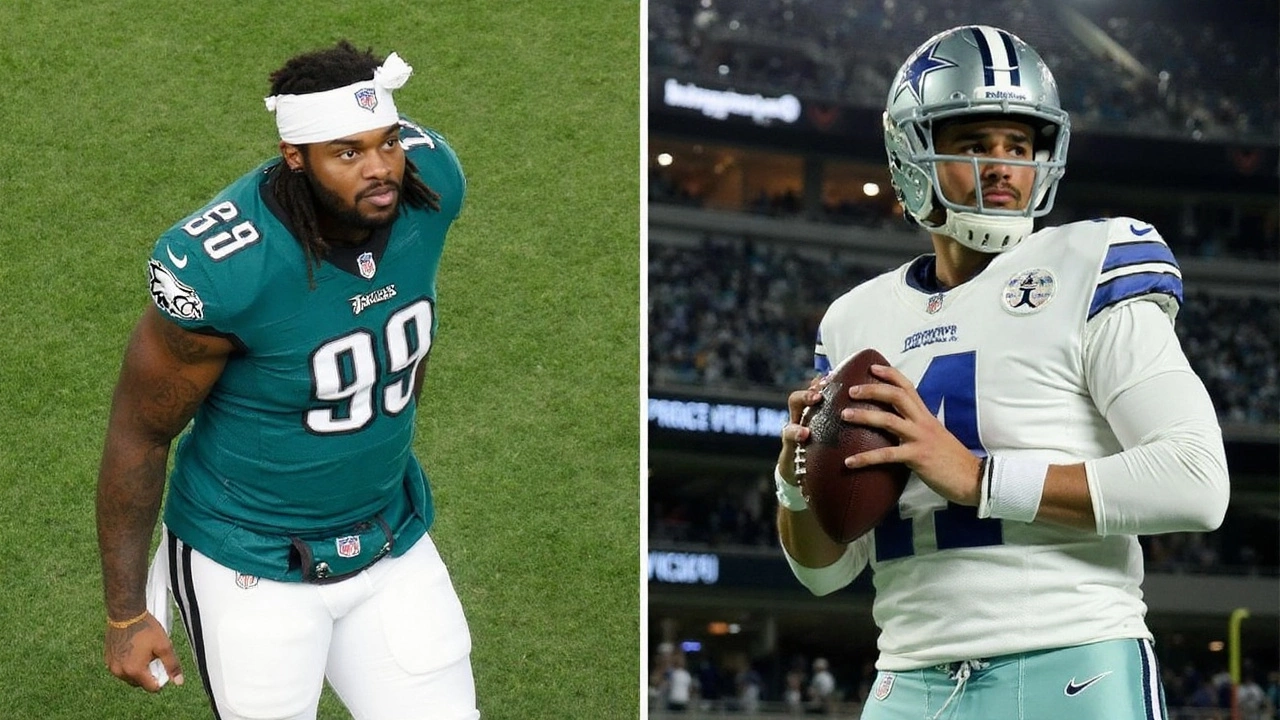
One of the most talked‑about moments happened in the NBA when a player spat at an opponent during a heated playoff game. The league fined him $25,000 and issued a three‑game suspension. In soccer, a World Cup qualifier saw a defender spit at a referee, leading to a four‑match ban that cost his team a crucial point. Baseball isn’t immune either – a pitcher was ejected after spitting at a batter’s head, drawing a fine and a one‑game suspension.
These cases show that the punishment matches the visibility of the act. The higher the stage, the harsher the response.
What the rules actually say
Most rulebooks have a short line about spitting. In the NFL, it’s a “personal foul” with an automatic 15‑yard penalty and possible ejection. The NBA treats it as “technical foul” plus a fine. FIFA’s disciplinary code calls it “violent conduct” and can result in a straight red card and a multi‑match ban. The common thread? A clear warning that spitting is a direct violation, not a gray‑area offence.
How players can avoid the mistake
Stress and adrenaline can make even seasoned athletes act oddly. Coaches often teach calming techniques: deep breaths, quick water breaks, or simply keeping a towel on hand for a quick wipe instead of spitting. Many teams now have a “no‑spit” policy and include it in their code of conduct. When you know the penalties are steep, it’s easier to think twice before letting saliva fly.
What fans should do if they see a spitting incident
You’re not a referee, but your reaction still matters. If you spot a spitting incident, stay calm and let the officials handle it. Shouting or confronting the player can inflame the situation. On social media, think before you post – share the facts, not the anger. Constructive discussion helps keep the sport’s reputation intact.
Bottom line: spitting isn’t just a messy habit; it’s a punishable offense that affects health, fairness, and a player’s career. Knowing the rules, spotting the signs, and staying cool can keep the game fun for everyone.
Sep, 6 2025-0 Comments