
What happened in those first chaotic seconds
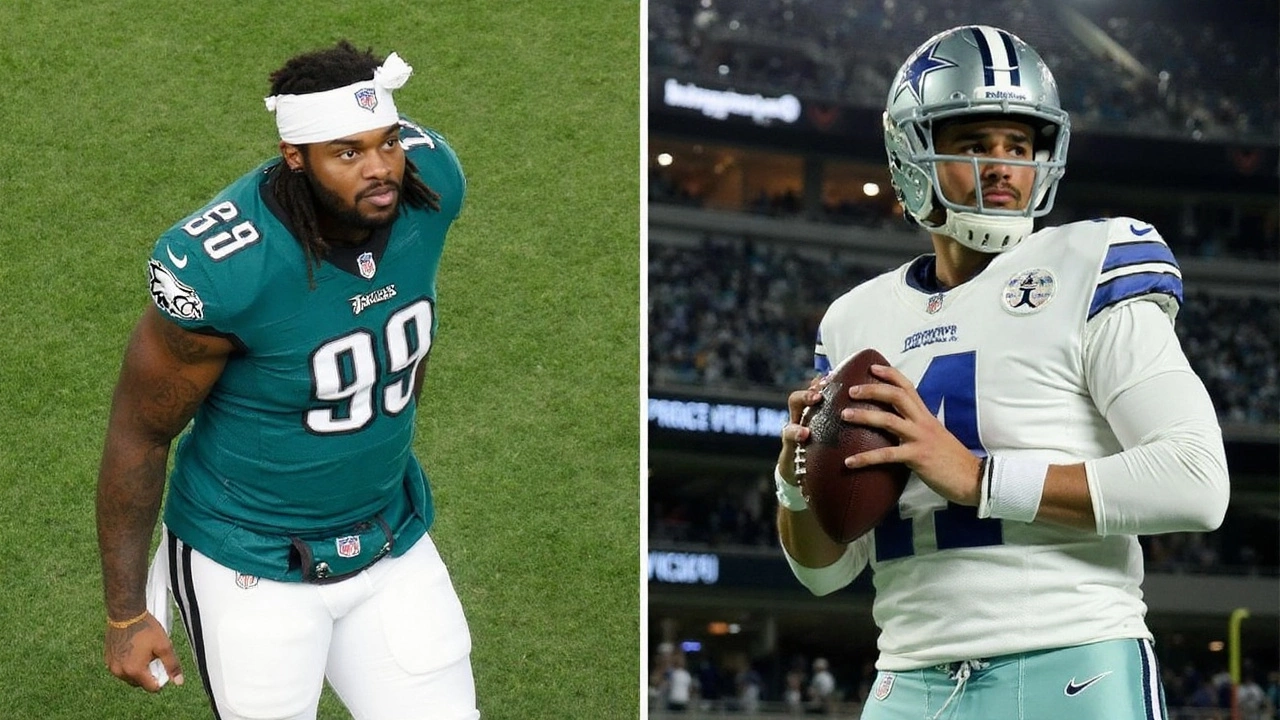
Six seconds into the new NFL season, a rivalry game went sideways. During an injury timeout as Eagles fullback Ben VanSumeren was being carted off after the opening kickoff, cameras caught Philadelphia defensive tackle Jalen Carter and Dallas quarterback Dak Prescott trading words. Then Carter spat, with droplets landing on Prescott’s jersey. A nearby official saw it, threw a flag for unsportsmanlike conduct, and ejected Carter on the spot.
The entire sequence unfolded while the stadium was quiet for VanSumeren’s injury, which made the clash stand out even more. Security chief Dom DiSandro — the Eagles’ well-known "Big Dom" — escorted Carter to the tunnel as the crowd tried to process what just happened. Dallas opened the game with a free 15 yards, and the Eagles were suddenly without their Pro Bowl-caliber interior disruptor.
Philadelphia still pulled out a 24–20 win at Lincoln Financial Field, a night that included a lightning delay and the unveiling of the team’s Super Bowl LIX banner. But the ejection became the headline. The NFL confirmed it will review the incident, including multiple camera angles that circulated online within minutes.
After the game, Carter apologized in brief comments, calling the spitting “a mistake.” He didn’t offer much detail beyond that. Prescott, measured as usual, said he was more surprised than angry, noted the officials acted right away, and admitted he didn’t realize the action would lead to an immediate ejection. He added that Carter is “a hell of a player,” a nod to the lineman’s talent even amid the controversy.
Complicating the picture, additional footage later showed Prescott spitting toward the ground near Carter and smiling right before the ejection. In isolation, that video doesn’t prove intent, but it broadened the debate about who did what and why. The league’s review is now expected to cover both players’ actions during those moments.
For the Eagles, the football problem was obvious: losing a cornerstone of their defensive front on the first series. Philadelphia shifted into a heavier rotation, leaned on depth snaps, and tried to keep pressure up with different looks. For Dallas, the early penalty helped field position, but the Cowboys couldn’t turn that chaos into a win.
What comes next: league review, context, and fallout
Why did the ejection happen so fast? Under NFL rules, spitting on an opponent is unsportsmanlike conduct, and officials have the discretion to eject on the spot. It’s not an automatic ejection by rule, but referees can pull the plug immediately if they see conduct they judge as flagrant. With the action captured clearly on the broadcast and an official right there, the decision came quickly.
The league’s disciplinary process typically plays out over several days. Football Operations collects game reports and broadcast angles, and the policy and rules administration office reviews the footage. Fines are common for unsportsmanlike conduct. Suspensions are less frequent but possible if the act is deemed egregious or if there’s a perceived risk of escalation. Players can appeal through the standard process, which sometimes trims fines or clarifies language for future cases.
Prescott being part of the frame complicates the assessment. Spitting at the ground isn’t against the rules, but proximity, intent, and context matter. If the league determines Prescott’s action was taunting or escalatory, he could face a fine even if it’s smaller than anything levied against Carter. If they view his action as incidental, they may not act at all. The NFL will want to send a clear message on decorum, especially on opening night.
Incidents like this are rare but not unprecedented. The most cited example: linebacker Bill Romanowski spitting on receiver J.J. Stokes in 1997, an act that drew heavy criticism and discipline at the time. The lesson the league leaned on then still applies now: spitting crosses a line players and officials treat as non-negotiable.
For Philadelphia, the conversation now splits into two tracks. One is discipline: Will Carter face a fine or a suspension, and when will the team know? The other is internal: How do the Eagles reinforce standards in a locker room that expects to contend for another title? Carter’s apology suggests the team addressed it quickly after the win. Publicly, the Eagles will likely keep comments short until the league finishes its review.
Dallas, meanwhile, has its own balance to strike. Prescott’s leadership style is steady and public. He called the moment surprising, kept his cool, and didn’t escalate it on the field. If the league reaches out, he’ll provide his account and move on. The Cowboys’ broader focus is red-zone execution and game management, not a viral clip.
The timing of the episode added sting. The stadium had just pivoted from celebration to concern as VanSumeren was lifted onto the cart. The optics of a spitting incident during an injury timeout rarely sit well with fans or the league office. Even in a rivalry this intense, players often talk about reading the moment and keeping emotions from boiling over. This was the opposite.
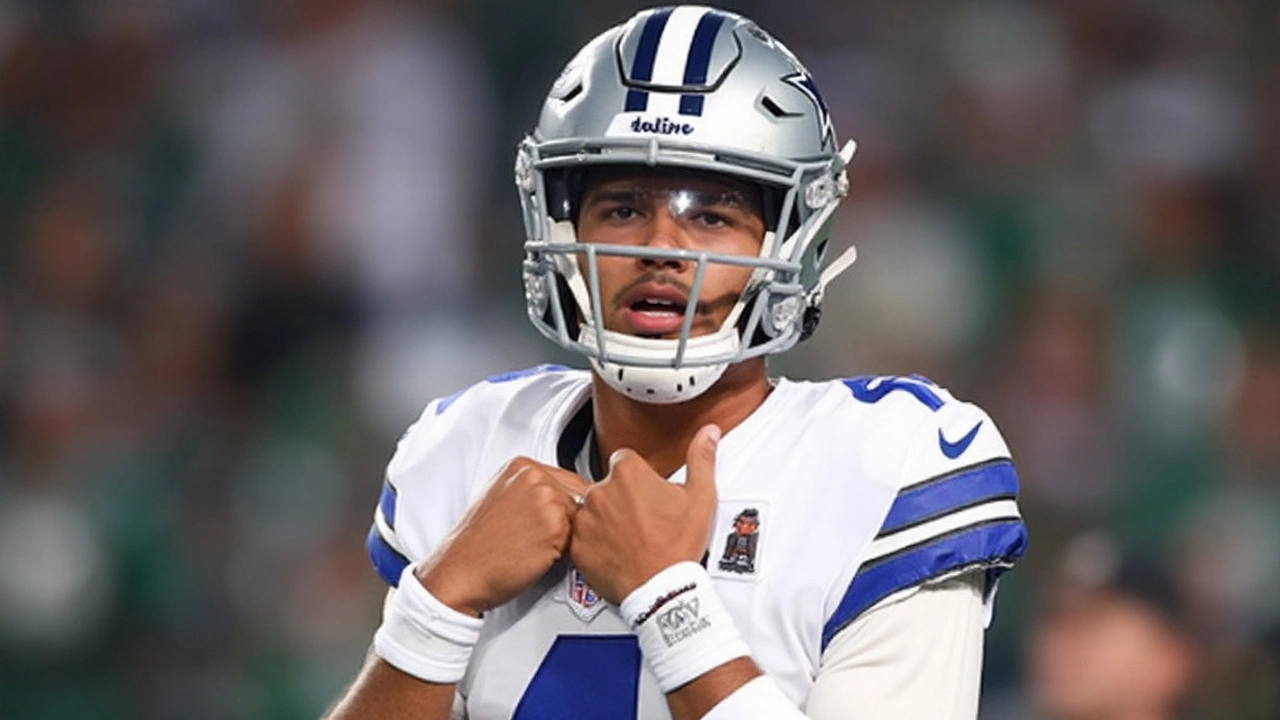
The officiating mechanics were straightforward: Prescott alerted the nearest referee. The flag came out, and after a brief conference, the crew signaled the ejection. Coaches don’t get a say in that call, and there’s no coach’s challenge option on conduct penalties. New York can advise, but on-field judgment is king for these moments.
What should fans expect this week? Look for the league to finish its review before teams finalize next-game preparations. That window gives everyone clarity on availability and fines before the practice week peaks. If there’s an appeal, it usually moves quickly and rarely drags into game day unless something unusual pops up in the evidence.
On the football side, the Eagles will prepare both tracks: one with Carter in the lineup, one without. They invested heavily in interior line depth for a reason. Early-season rotations often swell anyway as teams manage conditioning, so they’ll have reps ready for replacements. The Cowboys, for their part, will spend more time on early-game situational work after starting the night with chaos and a delay.
There’s also the reputational layer. Carter has been building momentum as a dominant interior force, the type of player who wrecks third downs and changes protections. Episodes like this don’t define a career, but they linger. An apology matters, and so does what happens next: clean games, steady play, and no repeat issues. Prescott’s image as a calm operator is intact. The question is whether the newly surfaced angles create a gray area the league feels obligated to address with a fine for both parties.
One thing is clear: opening nights are designed to showcase the sport at its best. Instead, fans got a messy flashpoint they’ll be debating for a week. The scoreboard says the Eagles handled it. The tape says the NFL still has work to do.
- What the league is weighing: intent, proximity, and whether conduct was flagrant.
- Possible outcomes: fines for unsportsmanlike conduct, a suspension if deemed severe, or discipline for both players if the review finds mutual escalation.
- Team-level steps: internal conversations, emphasis on game-day conduct, and contingency plans for the next opponent.
For now, the last word belongs to the replay: a few seconds of trash talk, a spit, a stunned quarterback pointing to an official, a flag, and an ejection that overshadowed a banner night and a hard-fought 24–20 finish.