Sports Analysis: Quick Facts, Real Comparisons, and Inside Looks
Ever wondered why a basketball game feels faster than a soccer match, or why NBA stars earn way more than WNBA players? You’re not alone. This page gives you the straight‑up answers you need, no jargon, just the real stuff.
Basketball vs Soccer: What Sets Them Apart
Basketball courts are 94 feet long, soccer fields stretch over 300 feet. That alone changes how players move, how long they run, and how quickly the game flips. In basketball, you sprint, stop, and shoot dozens of times in a single half. Soccer players keep a steady jog for 90 minutes, then sprint for a few final pushes.
Pick‑up games also differ. Grab a ball, a hoop, and a couple of friends, and you have a full basketball session in under an hour. Organizing a soccer match needs more space, more players, and often a referee. That’s why many newcomers start with basketball—it’s easier to set up and learn basic skills.
Endurance? Soccer wins on total mileage, but basketball wins on explosive power. If you love short bursts of high‑intensity effort, basketball is your jam. If you prefer steady cardio and strategic positioning, soccer feels more natural.
Tips for switching sports: work on footwork drills for basketball, and add interval runs for soccer. Both sports improve coordination, but each builds a different type of fitness.
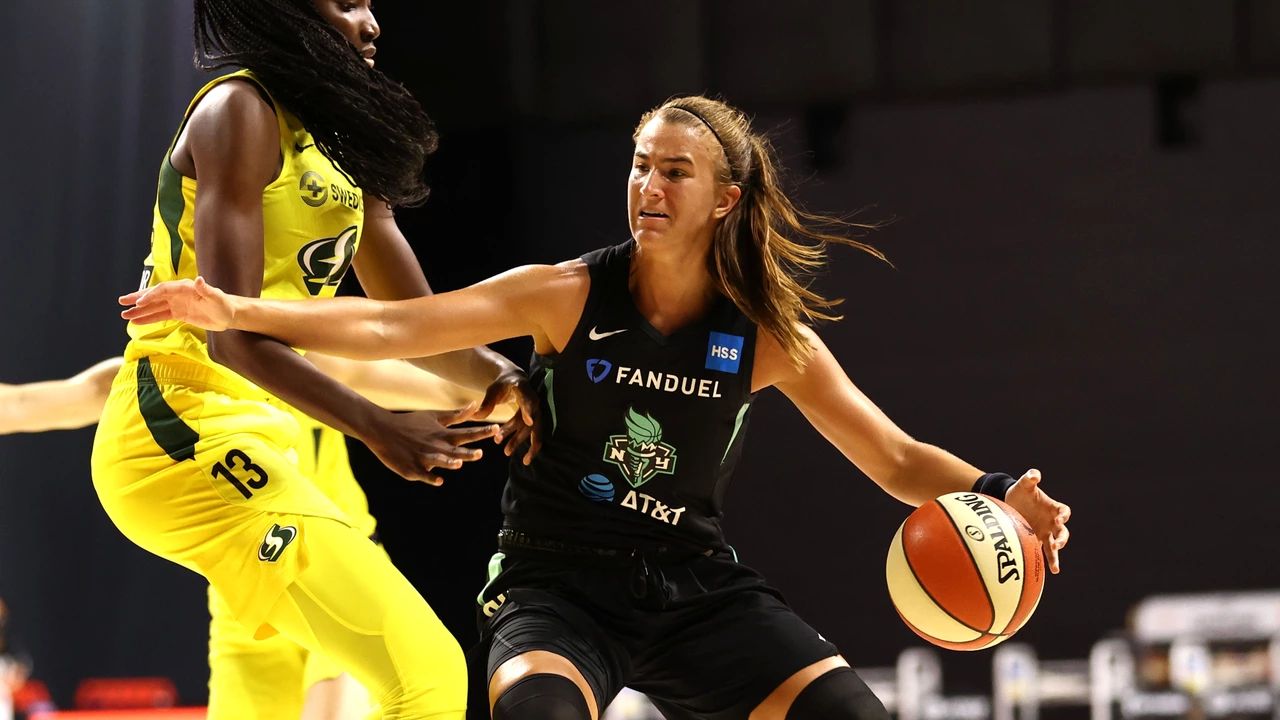
Why NBA Pay Beats WNBA
The money gap isn’t a mystery—it’s a numbers game. NBA TV contracts, merchandise sales, and ticket revenue run into billions each season. Those cash streams fund huge player salaries, sometimes over $40 million per year.
WNBA, while growing fast, still operates on a smaller budget. Sponsorship deals and broadcast rights are a fraction of the NBA’s. The league’s revenue per season is measured in the low hundreds of millions, so player pay is naturally lower.That said, WNBA stars are still making a living playing the game they love, and the league is pushing for better pay. Recent collective bargaining agreements have raised the salary floor and added more benefits.
If you’re curious about how the numbers break down, look at the league’s total revenue and divide it by the number of players. The NBA’s share per athlete is roughly ten times higher than the WNBA’s, explaining the paycheck difference.
Bottom line: the pay gap reflects the scale of each league’s business, not the talent level. Both leagues deliver top‑level basketball, just on different financial stages.
Ready to dig deeper? Our other posts break down stats, training tips, and fan culture for each sport. Stay tuned, ask questions, and keep the conversation rolling.

Jul, 10 2025-0 Comments
Aug, 2 2023-0 Comments