Salary Disparity in Sports: What’s Going On?
Ever wonder why some players earn millions while others barely make a living? That’s salary disparity – the uneven spread of money across athletes, teams, and even whole leagues. It’s not just a number on a contract; it shapes how clubs operate, how fans feel, and how the sport grows.
How the Gap Shows Up in Different Leagues
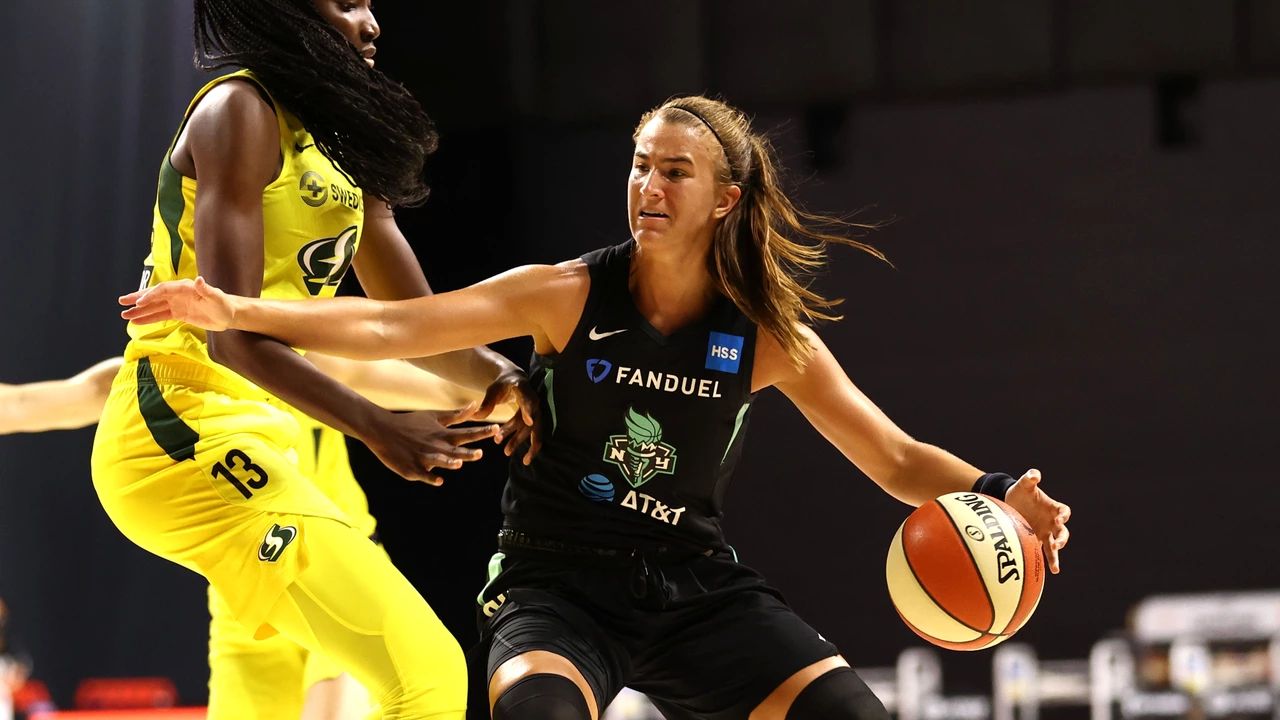
Take baseball and football. In MLB, a rookie can start with a six‑figure deal, but a bench player in the NFL might earn far less, even though the NFL pulls in more TV money overall. The NBA’s star contracts dwarf most other leagues, yet the WNBA’s top salaries are a fraction of those figures. Women’s sports often face a double hit: lower revenue and less media coverage, which keeps wages down.
Even within a single league, the gap can be huge. Look at the Houston Astros versus a low‑budget club in the same division – the Astros can splash cash on free agents, while the other team scrapes by on modest deals. That creates a cycle: richer teams win more, earn more, and keep getting richer.
What Can Fans and Leagues Do?
Fans have more power than they think. When you tune in, buy merch, or fill seats, you boost the league’s revenue. That extra money can be funneled into a fairer pay structure. Some leagues are already sharing a higher percentage of TV deals with lower‑earning teams to level the playing field.
Leagues can also set minimum salary floors, as the NBA does for its developmental league. Collective bargaining agreements can push for gender equity, like the recent push for a 50‑percent revenue share for women’s soccer players. Transparency is key – when contracts are public, it’s easier to spot and fix unfair gaps.
For athletes, speaking up helps. When players unionize and negotiate together, they can demand a more balanced split of the pie. It’s not about making everyone rich; it’s about giving every professional a decent living for the work they put in.
Bottom line: salary disparity isn’t just a business issue, it’s a cultural one. It affects who gets a chance to play, how fans connect with their heroes, and the overall health of the sport. By staying aware, supporting fair policies, and using our fan power wisely, we can shrink the gap and make sports more inclusive for everyone.
Aug, 2 2023-0 Comments