Photography Equipment: What to Choose for Better Photos
If you love taking pictures, having the right gear can make a huge difference. You don’t need the most expensive stuff to get great shots, but you do need tools that match your style and what you shoot. This guide breaks down the basics so you can pick gear that actually works for you.
Choosing the Right Camera
First up is the camera body. Think about what you’ll use it for – travel, portraits, sports, or wildlife. Mirrorless cameras are light and fast, perfect for moving subjects, while DSLRs give you a rugged feel and longer battery life. If you’re just starting, a mid‑range mirrorless or entry‑level DSLR will cover most needs without breaking the bank.
Sensor size matters too. Full‑frame sensors capture more light and give shallow depth of field, but they’re pricey. APS‑C and Micro‑Four‑Thirds sensors are smaller, lighter, and cheaper while still delivering solid image quality. Pick the size that fits your budget and the type of photos you love.
Must‑Have Accessories
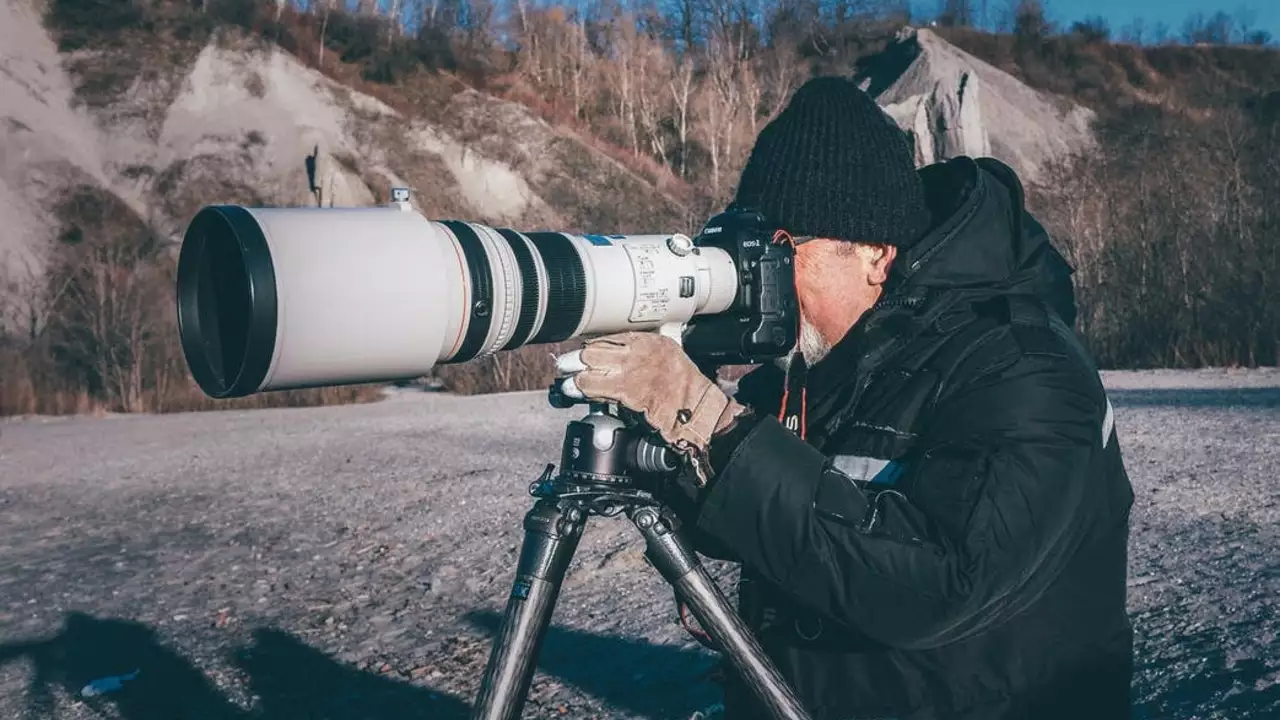
Lenses are where the magic really happens. A versatile zoom like 24‑70mm works for landscapes, portraits, and street shots. If you want sharper images and lower light performance, a prime lens such as a 50mm f/1.8 is a great, affordable option. Don’t forget a wide‑angle lens for sweeping scenery or a telephoto for sports and wildlife.
Stability is key, so a sturdy tripod should be on your list. Look for a carbon‑fiber model if you travel a lot – it’s light but strong. For handheld shooting, a small gimbal or a monopod can help keep shaking to a minimum.
Lighting doesn’t have to be complicated. A simple LED panel or a portable flash can rescue low‑light situations and add depth to your photos. Bounce the flash off a wall or ceiling for softer light, and you’ll get a more professional look without expensive gear.
Finally, protect your gear. A weather‑sealed bag keeps your equipment safe from rain and dust, and a cleaning kit with a microfiber cloth, air blower, and lens pen makes sure your lenses stay clear.
When you’re on a budget, prioritize the camera and a good lens first. Add a tripod, lighting, and other accessories as you go. Buying used gear from reputable sellers can also stretch your dollars further while still delivering quality performance.
Remember, the best equipment is the one you actually use. Test gear in a store if you can, read a few user reviews, and start shooting. The more you practice, the more you’ll understand what works for your style, and you’ll keep upgrading as you grow.
Jul, 25 2023-0 Comments