Lens Usage: Practical Tips for Everyday Shooting
Whether you’re snapping a fast‑break on the basketball court or catching a street festival, the right lens can make or break a photo. Too often people think any lens will do, but understanding a few basics lets you grab clearer, more exciting images without extra gear.
Choosing the Right Lens for the Situation
First, think about distance. A wide‑angle lens (around 24‑35mm) captures a lot of scene – perfect for stadium interiors or crowded cultural markets. If you need to pull the action close, a telephoto (70‑200mm or more) lets you frame a player’s expression without stepping onto the field.
Aperture matters too. A low f‑number (f/1.8‑f/2.8) lets in more light and creates a blurry background – great for portrait‑style shots of athletes. Higher numbers (f/5.6‑f/8) give you more depth of field, letting you keep both foreground and background sharp, which works well for landscape‑type sport venues.
Getting the Most Out of Your Lens Every Time
Focus mode is a quick win. Use continuous autofocus (AI‑Servo, AF‑C) for moving subjects; the camera will keep tracking as the player runs. For static scenes like a cultural performance on stage, switch to single‑point focus to lock exactly where you want.
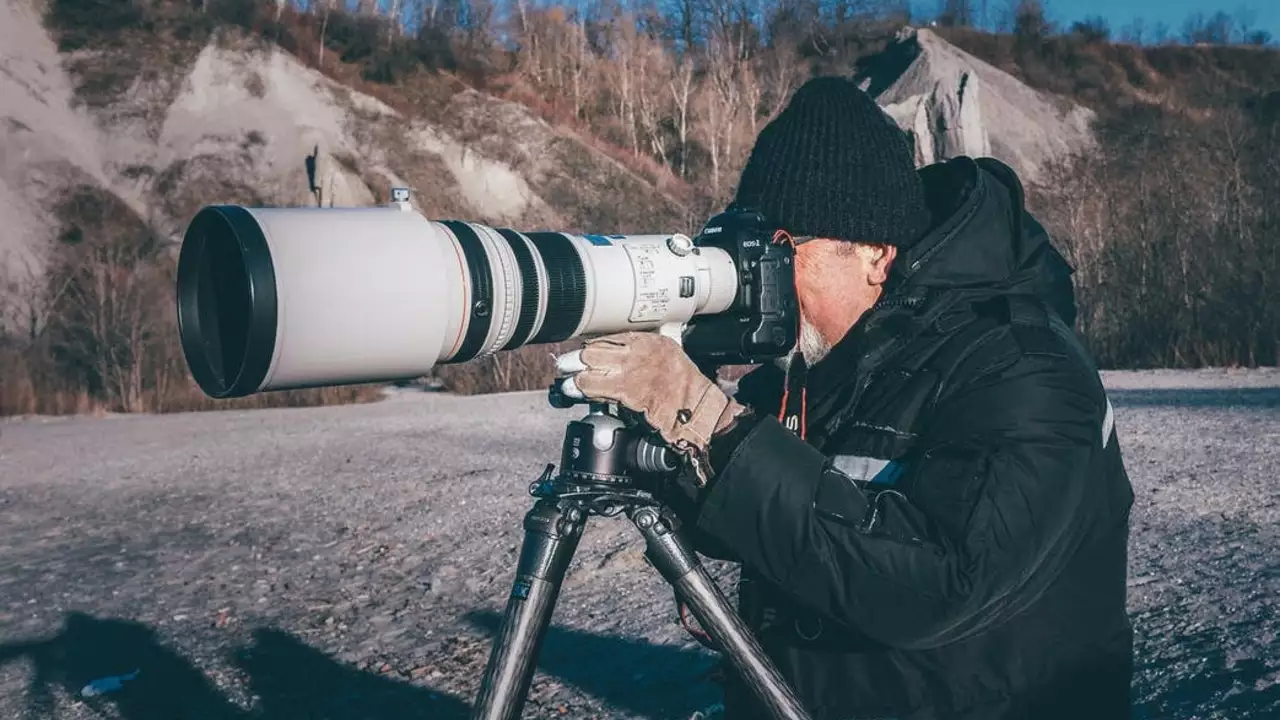
Stabilization can save blurry shots, especially with long lenses. If your lens has optical image stabilization, turn it on when shooting handheld. When you’re on a tripod, turn it off to avoid the tiny jitter it can introduce.
Don’t forget cleaning. A smudge on the front element looks like a spot in every shot. Use a soft microfiber cloth and a gentle blower – never rub hard or use harsh chemicals.
Storage matters for longevity. Keep lenses in a padded case, and store them in a dry environment. Moisture can cause fungus, which ruins image quality.
Finally, practice the “zoom‑and‑pan” trick. Slightly zoom in or out while panning a moving subject adds a dynamic feel, making the audience feel the motion. It’s a simple technique that works in both sports and cultural events.
By matching lens type to distance, adjusting aperture for light and background control, using the right focus mode, and keeping your gear clean, you’ll see an immediate jump in photo quality. Try one tip at a time and notice the difference – your shots will thank you.
Jul, 25 2023-0 Comments