
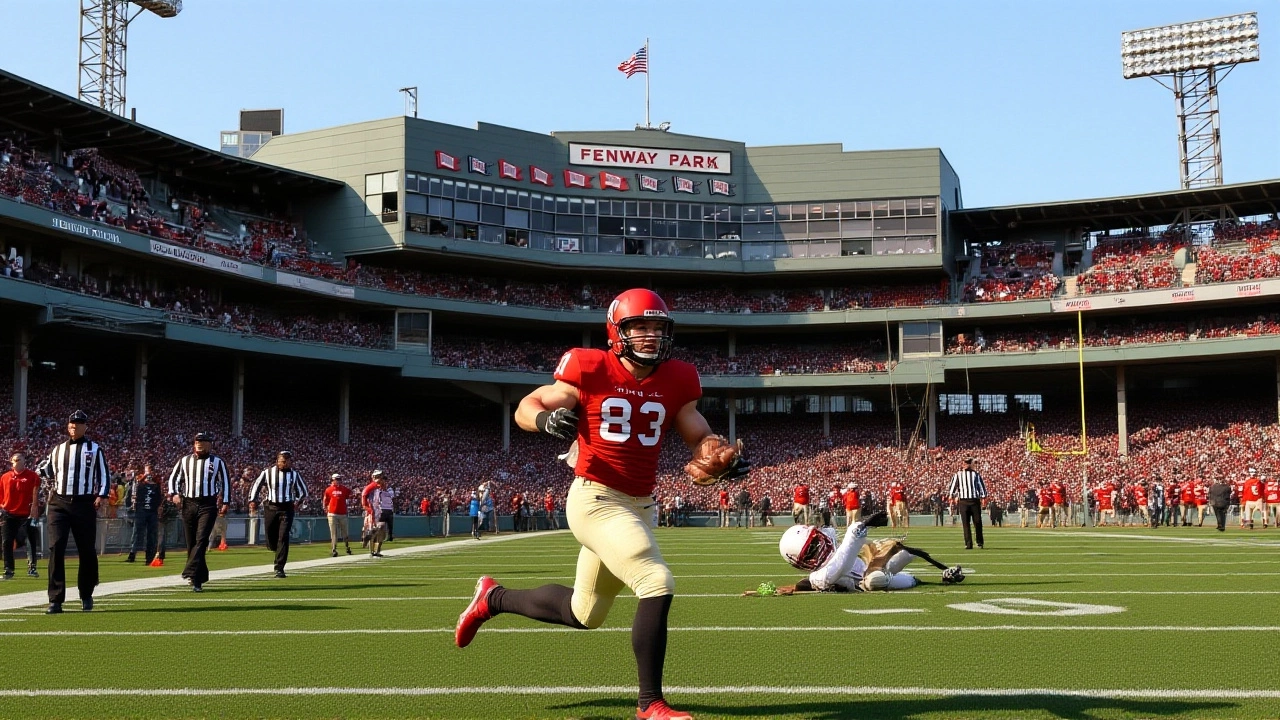
The Harvard-Yale football rivalry is heading back to Fenway Park — and this time, it’s not because of renovation. On the 142nd edition of 'The Game'Boston, the storied clash between the Harvard Crimson and the Yale Bulldogs will be played at the home of the Boston Red Sox, Fenway Park, on Saturday, November 21, 2026. It’s the second time since 1894 the game leaves its traditional homes — Harvard Stadium or the Yale Bowl — and the first time it’s returning to Fenway without the shadow of necessity. This isn’t a backup plan. It’s a statement.
A Rivalry Reimagined
The Game isn’t just another college football matchup. It’s the third most-played rivalry in NCAA history, dating back to 1875. With 140 meetings already under its belt — and Yale holding a 71-61-8 edge — this isn’t about wins and losses anymore. It’s about legacy. The 2018 game at Fenway, played while Harvard Stadium underwent upgrades, drew over 35,000 fans and ended in a 45-27 Harvard victory. That game was a surprise. This one? It’s intentional."Hosting The Game at Fenway Park is an incredible honor," said Sam Kennedy, President & CEO of the Boston Red Sox. "For more than a century, Fenway Park has been a stage for unforgettable moments in sports, while Harvard-Yale is known as one of college football’s greatest rivalries. To bring these legacies together once more in 2026 will be a proud moment for New England sports."
Erin McDermott, The John D. Nichols '53 Family Director of Athletics at Harvard University, echoed the sentiment. "Playing The Game at Fenway Park is an extraordinary opportunity for our football team and our community. This setting celebrates both tradition and innovation."
Yale Athletics hasn’t issued a public statement — yet. But their silence isn’t resistance. It’s protocol. The Crimson and Bulldogs have long operated with a quiet, almost reverent respect for the rivalry’s gravity. Their silence speaks louder than press releases.
Why Fenway? The Numbers Behind the Decision
Capacity was a quiet driver. The Yale Bowl seats over 64,000. Harvard Stadium? Just over 25,000. Fenway Park, configured for football, holds about 37,000 — a sweet spot. It’s big enough to draw crowds from both schools and beyond, but intimate enough to preserve the game’s emotional weight. You can hear the band. Feel the crowd’s breath. That’s rare in modern college football.
"It’s not about replacing Harvard Stadium," said Imry Halevi, Harvard Athletics spokesperson. "It’s about offering a different kind of experience — one that connects our alumni, students, and fans to a place that’s part of Boston’s soul."
Fenway’s history with football isn’t new. It hosted the Boston Patriots from 1963 to 1968. In 2015, it welcomed Notre Dame and Boston College for the Shamrock Series. In 2017, the Fenway Gridiron Series turned the infield into a football field. But none of those games carried the weight of The Game. This is the real deal — a tradition older than the NFL, older than the Super Bowl, older than most of the fans who’ll be there.
The Ghosts of 1894 and the Spirit of 2026
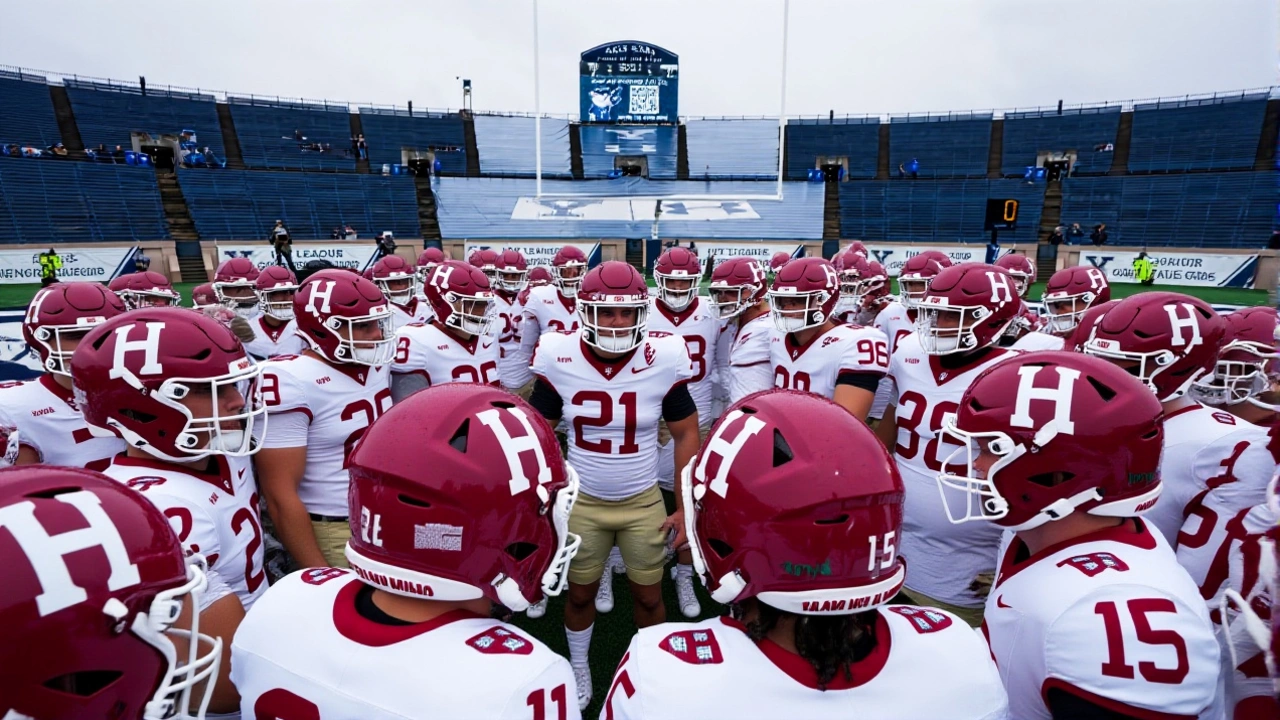
The last time The Game left its home fields was in 1894 — and it wasn’t for convenience. It was because the game turned brutal. Harvard faculty voted to disband the football program after a particularly violent contest. The sport was nearly buried. It came back, of course. And now, 132 years later, it’s returning to a place where baseball legends like Ted Williams and Carlton Fisk once stood. The irony isn’t lost on anyone.
"It’s poetic," said Andrew Aurich, Harvard’s head football coach. "We’re not just playing on a field. We’re playing on history. And for our players? That’s something they’ll remember long after the scoreboard fades."
The 2025 matchup — the 141st — will be played at Harvard Stadium on November 20, 2025. That’s the last time the rivalry will be held in its traditional home for a generation. The 2026 game? That’s the one that’ll be whispered about in alumni lounges for decades.
What’s Next? Tickets, Tailgating, and Tradition
Harvard Athletics is working with the Dean of Students Office to plan logistics, but details on ticket distribution, parking, and tailgating won’t be released until spring 2026. Expect demand to be astronomical. Alumni from both schools — many of whom haven’t set foot on campus in 30 years — will be lining up for seats. The Red Sox organization has already hinted at themed nights, vintage merchandise, and possibly a pre-game ceremony honoring past players.
"This isn’t just a football game," said one Yale parent who attended the 2018 matchup. "It’s a family reunion. And Fenway? It’s the perfect place to bring everyone home."
More Than a Game
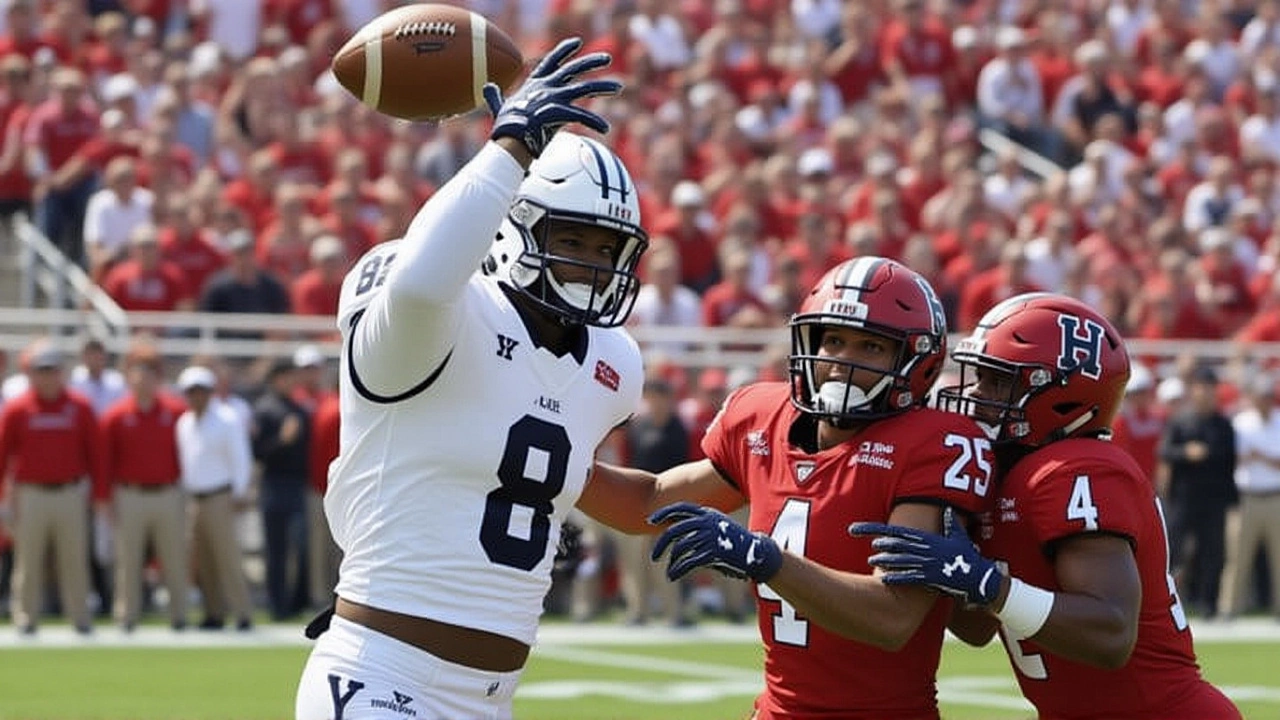
Fenway Park has hosted Shakespeare, Irish hurling, pickleball, and even big air skiing. But none of those events carry the same emotional heft as a century-old rivalry between two of America’s oldest universities. This isn’t about revenue. It’s about reverence. About the sound of a marching band echoing off the Green Monster. About the smell of popcorn and cold air on a November night. About the weight of history pressing down on the shoulders of two teams who’ve spent generations trying to outdo each other — not with flashy plays, but with grit, pride, and a stubborn love for the game.
When the whistle blows on November 21, 2026, it won’t just be Harvard versus Yale. It’ll be tradition versus time. And for one night, in the oldest ballpark in America, the past will win.
Frequently Asked Questions
Why is the Harvard-Yale game being moved to Fenway Park in 2026?
The move is intentional, not forced. While Harvard Stadium’s 2018 renovation prompted the last Fenway game, the 2026 decision was driven by the desire to offer a larger, more iconic venue that still preserves the rivalry’s intimate feel. Fenway’s 37,000-seat capacity for football exceeds Harvard Stadium’s 25,000 and offers better access for alumni from both schools, while maintaining the historic, emotional tone of the event.
Has Yale agreed to play at Fenway Park?
Yale Athletics has not issued a public statement, but the game is confirmed and officially scheduled. The rivalry operates on mutual, long-standing protocols — public announcements aren’t always immediate. Yale’s silence is consistent with its traditional approach to the matchup, and internal coordination is known to be underway. The game will proceed as planned.
How does Fenway Park compare to Harvard Stadium and the Yale Bowl in terms of seating?
The Yale Bowl holds over 64,000 fans, making it the largest venue for the rivalry. Harvard Stadium seats about 25,000. Fenway Park, configured for football, accommodates approximately 37,000 — striking a balance between accessibility and atmosphere. It’s not the biggest, but it’s the most evocative, offering a unique blend of historic charm and modern amenities.
When will tickets go on sale for the 2026 Harvard-Yale game?
Ticket details, including allocation for students, alumni, and the general public, won’t be released until spring 2026. Harvard Athletics is coordinating with university administration and the Dean of Students Office to ensure equitable access. Given the historic nature of the event, demand is expected to far exceed supply, and priority is likely to be given to alumni and student bodies from both schools.
What’s the historical significance of Fenway Park hosting college football?
Fenway has hosted football since 1912, including the Boston Patriots (AFL) from 1963–1968. It’s also hosted the Notre Dame–Boston College Shamrock Series (2015) and the Fenway Gridiron Series (2017). But the 2018 Harvard-Yale game was its first true rivalry game. The 2026 matchup elevates it to a landmark event — the second time since 1894 that the rivalry leaves its traditional home, and the first time it returns without external pressure.
Will this become a regular occurrence at Fenway Park?
There’s no indication this will become an annual tradition. The 2026 game is a one-time event, chosen to mark the 142nd edition with symbolic weight. While Fenway has proven its versatility, the rivalry’s home-field rotation — alternating between Cambridge and New Haven — remains deeply rooted. This is a celebration, not a change of course.