Photography and Equipment: Your Go‑to Hub for Cameras, Lenses & Gear Tips
Welcome to the place where you can get straight‑forward advice on everything that makes a photo look great. Whether you own a smartphone, a mirrorless body, or a DSLR, the right gear can turn a good shot into a wow moment. We keep the talk simple, so you can decide fast what to buy, how to use it, and how to keep it working.
Gear matters because it’s the bridge between your vision and the final image. A sturdy tripod stops shaking, a bright lens captures detail in low light, and a clean sensor stops weird spots. Knowing what each piece does helps you spend money where it counts and skip the fluff.
Choosing the Right Lens
First, think about what you love to shoot. Wide‑angle lenses (10‑24mm) shine for landscapes and architecture, while prime lenses (35mm, 50mm) give sharpness and a shallow depth of field for portraits. Zoom lenses cover a range of distances, so they’re a good all‑round choice for beginners.
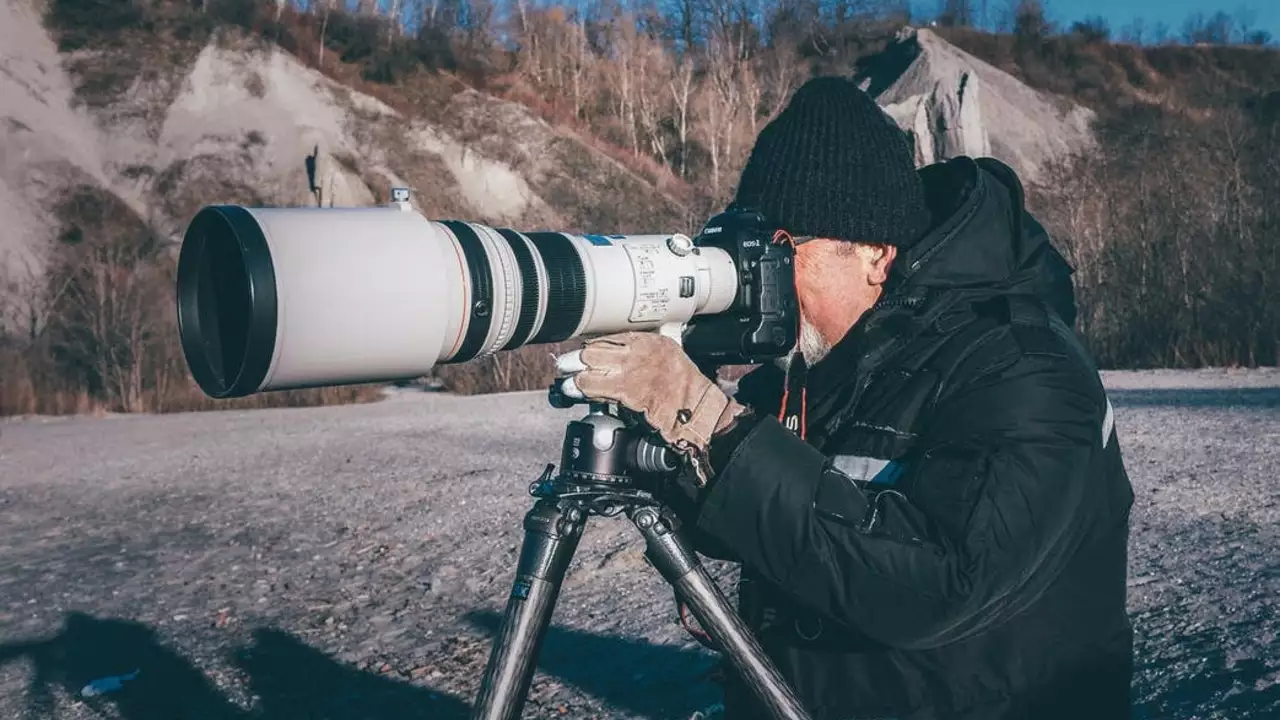
Take the 70‑300mm lens as an example. This zoom starts at a medium telephoto length (70mm) and extends to a long reach (300mm). It’s great for wildlife because you can get close‑up shots without scaring the animal. Sports photographers love it too – you can follow the action from the stands and still fill the frame. Portrait shooters use the longer end to blur backgrounds and make subjects pop. The real win is flexibility: one lens replaces a short, a medium, and a long telephoto, saving space and money.
If you need more reach than 300mm, look at super‑telephoto lenses or add a teleconverter. For everyday shooting, a 24‑70mm zoom gives you both wide and short telephoto coverage. The key is matching focal length to your most common subjects.
Gear Care Basics
Keeping gear clean is easier than you think. Use a soft brush or a blower to remove dust from the sensor and lenses. A microfiber cloth and a few drops of lens cleaner are enough for stubborn smudges. Avoid harsh chemicals – they can damage coatings.
Store cameras and lenses in a dry place. A padded bag works for travel, but for long‑term storage a hard case with silica packets prevents humidity damage. If you’re moving around a lot, a quick‑release plate on your tripod saves time and reduces wear on the mounting foot.
Don’t forget accessories. Spare batteries, memory cards, and a sturdy strap keep you shooting longer without interruptions. A small toolkit with screwdrivers and a lens wrench helps you tighten loose parts before they cause problems.
When you’re on a budget, consider buying used gear from reputable sellers. Many photographers upgrade every few years, so you can find lenses in excellent condition at a fraction of the price. Test the gear, check for scratches, and confirm the serial number matches the seller’s listing.
Ready to explore? Grab a lens that matches your favorite subjects, clean it regularly, and protect it with proper storage. Your photos will thank you, and you’ll spend less time troubleshooting and more time shooting.
Jul, 25 2023-0 Comments