
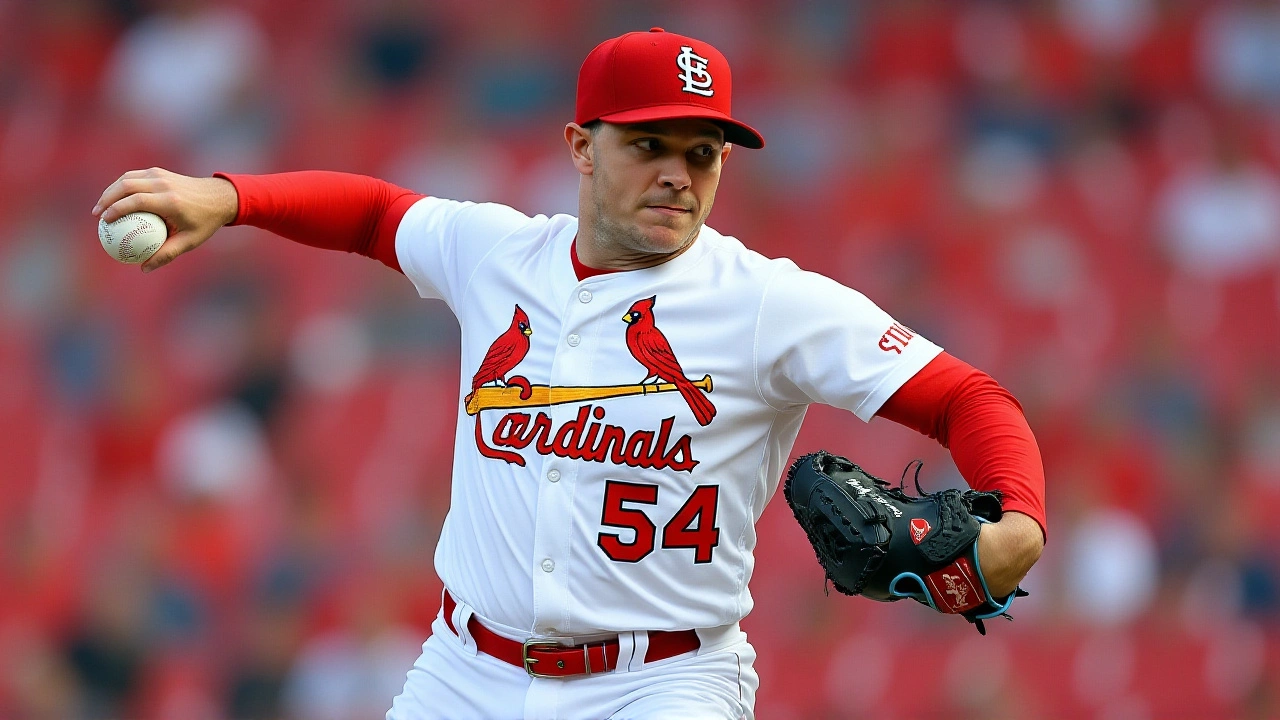
On November 25, 2025, the St. Louis Cardinals pulled the plug on a two-season experiment with veteran pitcher Sonny Gray, shipping him to the Boston Red Sox in a deal that mixed pragmatism, payroll relief, and future-building. The move came with a $20 million cash payment from St. Louis to Boston — not just to cover Gray’s $35 million 2026 salary, but to signal a shift in organizational philosophy. In return, the Cardinals received left-handed pitching prospect Brandon Clarke, ranked No. 5 in Boston’s system, and right-hander Richard Fitts, a 25-year-old who’s already shown he can handle big league innings.
Why Gray Left St. Louis — And Why He Wanted Out
Gray, who turned 36 in early November 2025, didn’t just accept the trade — he actively pushed for it. Sources close to the Cardinals confirmed he waived his no-trade clause after telling front office officials he didn’t want to spend 2026 on a rebuilding team. His words after his final start of the 2025 season said it all: "Pitching for a postseason contender would appeal to me more than a rebuilding '26 with the Cardinals." And that’s exactly what Boston offered. The Red Sox, who finished 89-73 and made the playoffs for the first time since 2021, were looking for rotation stability behind ace Garrett Crochet. Gray, with 201 strikeouts and a 4.28 ERA in 2025, fit perfectly. He’s not the flamethrower he was in his 20s, but his ability to keep hitters off barrels — and his 24.1% strikeout rate — makes him a durable, high-leverage starter."Those things that we think pitchers carry from year to year are things like strikeout rates and walk rates and ability to just stay off barrels," said Craig Breslow, Chief Baseball Officer of the Red Sox, during a November 26 media session. "He excels there. That’s not something you find every day."
The Return: Clarke, Fitts, and a Calculated Risk
The Cardinals didn’t get a top-100 prospect, and that’s the criticism some analysts are already making. Sports Illustrated called the return "a bit flat," especially since Boston’s top two pitching prospects, Payton Tolle and Kyson Witherspoon, stayed put. But here’s the thing: Brandon Clarke is 22, left-handed, and throws a slider that scouts say could be a plus pitch in the majors. He’s not a finished product — he’s a project with high ceilings. And then there’s Richard Fitts. At 25, he’s not a prospect anymore. He’s a big league ready arm who went 2-4 with a 5.00 ERA in 10 starts last season. He’s not a star, but he’s a reliable fifth starter. And in a rotation that lost Adam Wainwright and is still searching for consistency, Fitts could slot in immediately.That’s the real win for St. Louis: They didn’t just trade Gray — they turned a $35 million salary into two assets, one of whom can help now. And they still saved $15 million on the 2026 payroll after sending $20 million to Boston. That’s not just accounting — it’s strategy.
The Bigger Picture: Payroll Flexibility and the Arenado Question
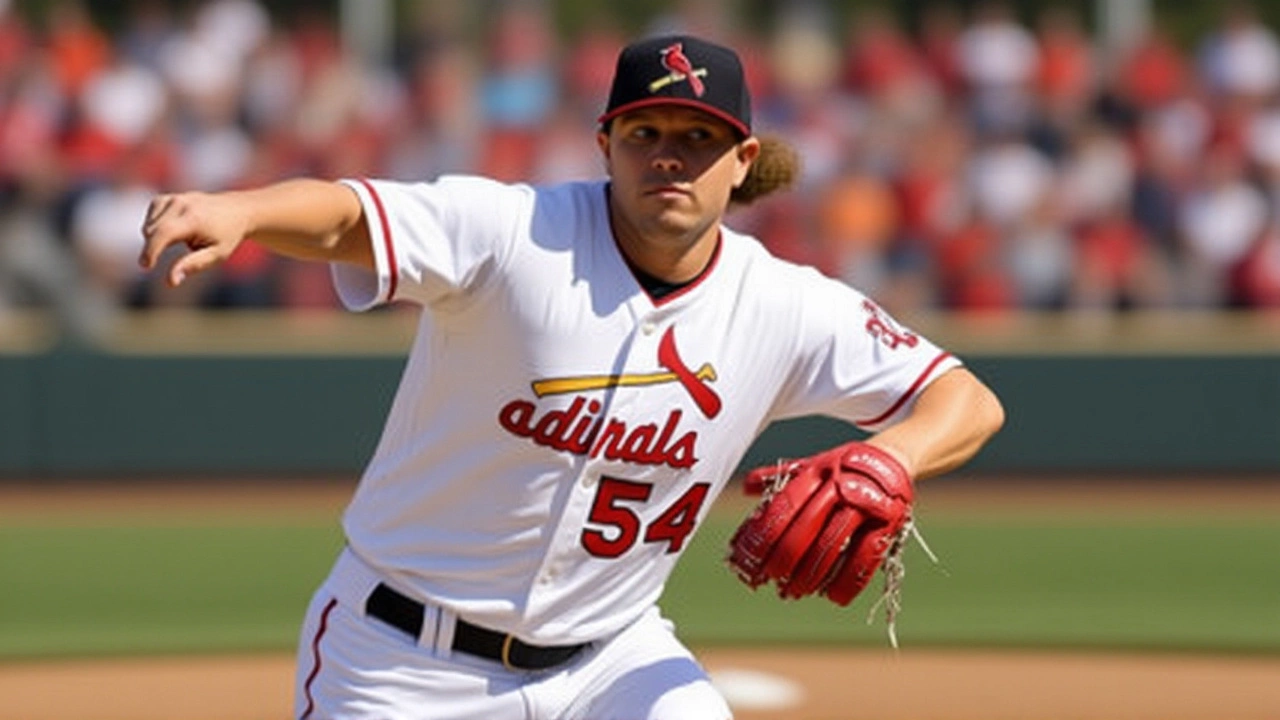
This trade wasn’t just about Gray. It was about space. The Cardinals have long been tied to third baseman Nolan Arenado, whose $28 million salary and no-trade clause have made him a trade target for years. But his contract, combined with Gray’s, was a financial logjam. By eating $20 million to move Gray, the Cardinals signaled they’re willing to absorb cost to clear the path for bigger moves. MLB.com noted this could be the opening act in a larger reset — one that might involve trading Arenado or even reworking the contracts of Paul Goldschmidt or Tyler O’Neill.It’s a gamble. The Cardinals are betting that their farm system, long considered one of the weakest in baseball, can be rebuilt with these two pitchers and future picks. They’re not rebuilding for 2026 — they’re building for 2027 and beyond. And they’re doing it with cold, hard cash.
What’s Next for Both Teams
For Boston, Gray’s addition gives them a true No. 2 starter behind Crochet. With a healthy roster and a deep bullpen, they could be a serious AL East contender in 2026. Gray’s contract — $35 million guaranteed in 2026, with a $30 million mutual option for 2027 and a $5 million buyout — means Boston can walk away after one year if he falters. But if he pitches like he did in 2024 and 2025? They’ve got a bargain.For St. Louis, the focus shifts to the minors. Clarke needs time — likely 12 to 18 months in Triple-A. Fitts will compete for a rotation spot in spring training. And if the Cardinals can flip Fitts for a hitter next winter? That’s the real win.
Historical Context: A Rare Payroll Move for the Cardinals
This is unusual territory for the Cardinals. They’ve spent decades avoiding salary dumps, preferring to keep payroll stable and compete annually. But after missing the playoffs in 2025 for the second time in three years, the front office realized the old model isn’t working. This trade echoes the 2012 deal that sent Albert Pujols and C.J. Wilson to the Angels — except this time, they’re not trading stars. They’re trading a veteran’s salary to buy future flexibility.It’s a sign the Cardinals are finally embracing modern baseball economics. And if it works? They might not just rebuild — they might reset.
Frequently Asked Questions
Why did Sonny Gray waive his no-trade clause?
Gray, 36, publicly stated he wanted to pitch for a contender in 2026 after the Cardinals missed the playoffs. He had a mutual option for 2027 and knew St. Louis was rebuilding. Waiving his no-trade clause allowed him to join Boston, a team with playoff aspirations, rather than sit out a rebuilding season.
How does this trade affect the Cardinals’ payroll?
The Cardinals saved $15 million in net payroll for 2026. They paid Boston $20 million to cover half of Gray’s $35 million salary, reducing their financial burden. This flexibility opens the door for potential trades involving Nolan Arenado or contract extensions for core players like Paul Goldschmidt.
Is Brandon Clarke a top prospect?
Ranked No. 5 in Boston’s system by MLB Pipeline, Clarke is a 22-year-old left-hander with a high ceiling. He doesn’t have elite velocity, but his command and breaking ball have drawn comparisons to early-career Jon Lester. He’s not a top-100 MLB prospect yet, but he’s the kind of low-risk, high-upside arm the Cardinals need to rebuild their farm system.
Why didn’t the Cardinals get a top-100 prospect?
Boston protected their top two pitching prospects, Payton Tolle and Kyson Witherspoon, in the deal. The Cardinals were willing to pay $20 million to move Gray’s salary, but Boston wasn’t willing to part with their elite prospects for a 36-year-old pitcher. The return — Clarke and Fitts — reflects a balance of immediate help and future upside, not a blockbuster haul.
What does this mean for the Red Sox’s 2026 rotation?
With Gray joining Garrett Crochet, Boston now has two proven, durable starters. Gray’s ability to limit hard contact and maintain strikeout rates makes him ideal for the middle of the rotation. The Red Sox also have depth with Fitts’ replacement, Tanner Houck, and prospects like Triston Casas. This trade transforms them from a team with one ace to a team with a legitimate top three.
Could the Cardinals trade Nolan Arenado next?
Absolutely. By demonstrating a willingness to absorb $20 million to clear payroll, the Cardinals signaled they’re open to major moves. Arenado, who has a no-trade clause and a $28 million salary, could be moved for prospects if the right offer comes. This Gray trade sets the precedent: St. Louis is prioritizing long-term flexibility over short-term comfort.